Using Natural Light in Film: A Practical Guide for Filmmakers
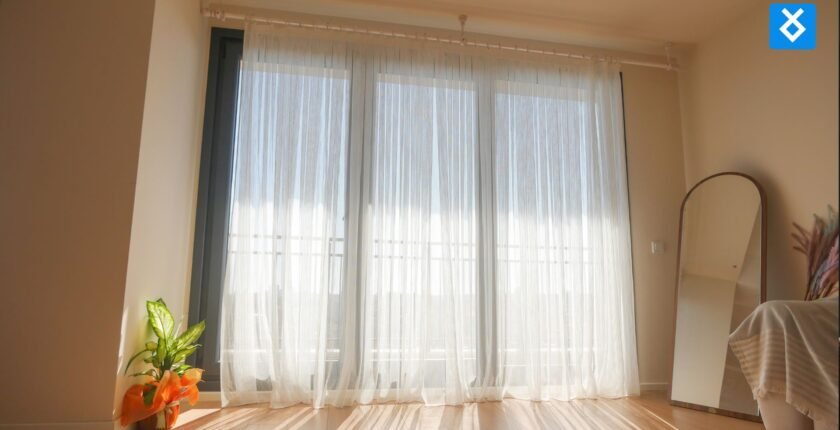
Natural light can be one of the most effective lighting tools you have when you’re shooting a film. It’s everywhere, it’s free, and when you use it well, it can make your visuals feel more realistic and visually engaging. But it’s not always as easy as pointing your camera at the sun and hitting record. To get the most out of available light, you have to understand it and work with it not against it.
What Natural Light Really Means
When filmmakers talk about natural light, they mean light that’s already in the environment. That’s usually sunlight, but it can also include daylight filtered through windows, clouds, or even reflected off nearby surfaces. Because this light isn’t generated by studio lamps or LED panels, you don’t have full control, but you can shape and make the most of it with the right approach.
Use Tools to Shape the Light You Have
Just because the light is natural doesn’t mean you can’t tweak it. Reflectors, bounce boards, and diffusion panels are inexpensive tools that help you redirect or soften sunlight so it doesn’t create harsh shadows or blown-out highlights. For example, a large window can act as your main light source, but a reflector can help bounce that light back into the darker side of your subject’s face so the image looks balanced.
Scouting and Location Matter More Than You Think
A good location can make a world of difference when you’re planning to shoot with available light. Before you book a space, take a camera with you to test how light fills the area at different times of day. Some spots look great in person but lose all usable light by mid-afternoon, while others stay consistently bright longer than you’d expect. Knowing this ahead of time helps you plan better shots and avoid surprises on set.
Timing Is Everything
Sunlight changes fast. Midday sun is bright but harsh, often creating unflattering shadows. Many filmmakers prefer shooting during the “golden hour,” that short span of time right after sunrise and just before sunset when light is softer, warmer, and more flattering. Even indoors, the strength and direction of light streaming through windows will change as the day goes on, so planning your schedule around light quality is key.
Use Shadows and Angles Creatively
Working with natural light also means embracing shadows. Shadows aren’t always a problem. They add contrast and depth if you place your subjects thoughtfully. Sometimes shifting a window’s light or changing your camera angle by a few feet can turn a flat scene into something much more dynamic.
Enhancing Natural Light When You Need To
There are times when natural light isn’t enough, especially indoors or later in the day. In those cases, you can supplement with small LED lights, reflectors, or scrims that soften or redirect light without overpowering the natural look. These tools give you more control while still keeping the authentic feel that natural light provides.
Why Filmmakers Love Natural Light
Using natural light can speed up your production since you won’t need large lighting setups. For low-budget filmmakers, it’s an obvious choice because it keeps costs down. But beyond budget, many filmmakers prefer the mood and realism that real daylight offers. It’s the light we see every day, and when you capture it right, your images feel grounded, believable, and visually rich.